

 Facebook
 X
X
 Pinterest
 Copy Link
Remodel for the Most Resale Value


Image Source: karamysh on Shutterstock
What’s the best remodeling project for your home? The answer, in part, depends on where you live. Every year, Remodeling Magazine evaluates which projects bring the most return at resale in different markets around the country in their “Cost vs. Value” report. For the purposes of this blog, we are focusing on the Pacific states (WA, OR, CA, AL) and the Mountain states (MT, ID, UT, CO, NV).
According to Remodeling Magazine, these are the six top projects in those two regions that currently have the best return on your investment when it comes time to sell.
Garage Door Replacement
The project with the most return from Washington State to Nevada? A new garage door.
In the Pacific States, replacing your garage door will cost an average $3,785, but will increase your resale value by $4,686, recouping 123.8 percent of what you paid for it. Homes in the Mountain States will also benefit from a garage door replacement, recouping 98.6 percent of their costs.
Due to its size, a garage door can have a big impact on a home’s curb appeal. But adding to your home’s aesthetic is only one advantage; the warranty that comes with the new garage door is also a selling point for potential buyers who can trust that they likely won’t have to deal with any maintenance issues in the near term.
Manufactured Stone Veneer
As long as the new stone veneer is consistent with your neighborhood’s overall look, this siding is the second-best project across the Pacific and Mountain states.
Stone veneer can replace your home’s existing siding, adding a fresh, modern look that conjures a cozy vibe all the way from the street, before buyers ever step foot inside. Along the West Coast, it can recoup 110.4 percent of the cost when you sell, and Mountain states will recoup 96.5 percent of the cost.
Wood Deck Addition
While building a deck might seem like a big undertaking, it’s actually a pretty cost-effective way to positively impact your home’s resale value. Pacific states can expect to pay around $15,000 and Mountain states just above $13,000, but they’ll see 87.8 percent and 74.3 percent recouped respectively when they sell.
Adding a deck extends the living space of your home and provides even more area for entertaining, relaxing, and enjoying the outdoors. Whether you choose a natural wood deck or a low-maintenance composite deck, you can pick from a variety of styles based on the lay of your land and the areas of your backyard you wish to highlight.
Minor Kitchen Remodel
No need to move walls or appliances around, a minor kitchen remodel will do the trick to recoup 87.1 percent of the cost in the Pacific states, and 80.3 percent in the Mountain states.
An outdated kitchen can go from drab to fab and become a focal point with a fresh palette. Replace the cabinet doors with new shaker-style wood panels and metal or metal-looking hardware. Switch out the old counter tops with laminate that matches the new look. Think about adding a resilient flooring option, then finish the project with a fresh coat of paint to the walls, trim, and ceiling.
Grand Entrance
Looking to improve your curb appeal and create an entrance that guests and homebuyers won’t soon forget? Add a fiberglass grand entrance. This project involves replacing a standard-sized front door with a larger opening with dual sidelights (glass panels). Typically costing around $8,000, Pacific states will see 85.1 percent of that recouped in the sale, and Mountain states will see 71 percent.
Siding Replacement
Depending on the size of your home, replacing the siding can be an expensive undertaking. However, it’s a project that comes with high returns. For Mountain states, sellers can expect 75.4 percent of the costs recouped, and Pacific sellers will see 84.3 percent.
Not only is siding one of the first things a buyer sees, but it also serves as an indicator of the overall health of the home. Broken or damaged siding could mean that there are other problems with the home, such as pests and rot. Replacing old siding is a cost-effective way to boost your home’s curb appeal and ensure buyers are going to walk through your front door.
Windermere’s Winter Drive Collects Nearly 6,000 Items for Mary’s Place


It’s another fall season and the fourth year of Windermere’s #TackleHomelessness campaign with the Seattle Seahawks. As a part of this campaign, Windermere hosts an annual “We’ve Got You Covered” winter drive. This year, 33 Windermere offices in in the greater Seattle area* participated in the drive, collecting new hats, scarves, gloves/mittens, socks, and other warm winter items for Mary’s Place.
Mary’s Place is a non-profit that provides safe, inclusive shelter and services to support women, children and families on their journey out of homelessness. Since 1999, Mary’s Place has helped hundreds of women and families move out of homelessness into more stable situations. But shelter capacity is limited and there are still hundreds of families sleeping outside in cars and tents each night, so Windermere collected items to help them stay warm this winter.

During the four-week drive, our offices collected donations from agents, staff, and the community, which included over 630 hats, 680 pairs of gloves, over 200 scarves, over 2,000 pairs of socks, and an assortment of coats, jackets, sweaters, blankets, toiletries and other items, bringing our grand total to nearly 6,000 items collected for Mary’s Place.
One office made the drive extra special by partnering with a local knitting group. The Windermere Mercer Island office partnered once again with the Mercer Island Tuesday Knitters, to make cozy hats and scarves. This year the knitting group contributed 67 hand-knitted hats and scarves to the winter drive.
The staff at the Mary’s Place donation center in South Seattle were grateful to receive the bins full of donated items that were delivered by Gentle Giant Moving Company. “We are so incredibly grateful to our Windermere family for all that they do for our families!” said Marty Hartman, Mary’s Place Executive Director. “These gifts of warm winter gear will keep our kids and families warm and loved this winter!”

Windermere is also grateful to partner with Gentle Giant Moving Company on our winter drive. For the past four years, they have generously given their time, muscle, and trucks to pick up and deliver all of the donations.
And this drive would not be possible each year without the support of the Seattle Seahawks, our offices, and all those who donated. From all of us at Windermere, thank you for making our fourth annual winter drive a success and for supporting families experiencing homelessness in the greater Seattle area!
Designing Your Rental To Feel Like Home
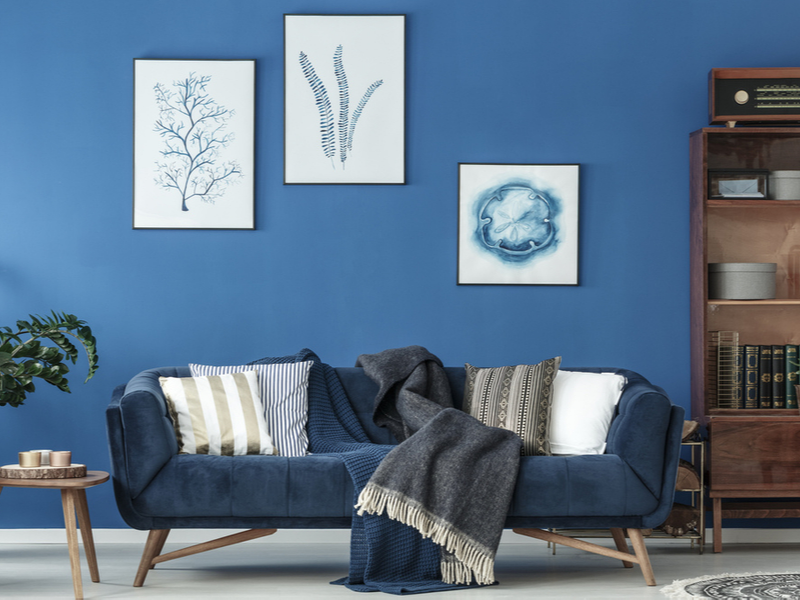

Stylizing your own home can be a daunting but rewarding challenge. When you own your living space, it’s easy to feel a sense of ownership over every piece of your design. But for renters, the challenge is a bit different. Despite limitations, it’s no less important to one’s well-being for a residence to convey a sense of ownership and self.
To make a rental unit feel a bit more like home, we collected a few ways to imbue your abode with your own spirit, without risking your security deposit.
Storage – Let’s be honest, rentals often lack sufficient storage place, and since custom cabinetry isn’t usually an option for renters, investing in some added storage is key.
Add some simple, no-to-low damage shelves, bookshelves that stand on their own, baskets, or use under the bed storage. Search for furniture that doubles as storage, like an ottoman that opens up or a side table with a drawer or shelf.
Blinds – Vertical blinds may be the ultimate decorating sin. No one likes feeling as if they’re living in a motel room.
We suggest you either take them down and save them somewhere so you remember to put them back when you leave. Another option is to hide them under curtains. Just don’t throw them out or you may not get all of your security deposit back!
Before making changes like this, or adding hardware like curtain rods, be sure to ask your landlord for permission.
Accessorize – A MUST when decorating your space are small items like pillows, throws, candles, books, and light fixtures… the only way to get a truly genuine space. These are easy ways to add your unique style that you can take with you from one place to the next.
Wall Art – Hanging art with hooks and nails can damage the walls, which might keep you from hanging art or photos on your walls, but when it comes down to it at move out, they’ll only take a few minutes to patch up when it comes time to move out. This doesn’t mean you have to hang an entire art gallery, but hanging one statement piece and placing the rest of the photos on a mantel or shelf can be all you need.
Again, ask your landlord before you add any holes in the home. When you’re touring, ask the landlord to keep the existing holes in the walls so you can use them, or ask if you can get the paint color information so you can patch and touch-up yourself, upon move-out.
Rugs – Last but not least, rugs: the peanut butter to your rental jelly. If there are scratched hardwood floors or stained carpets, you can cover those up easily with a throw rug, and prevent further damage as you live there.
Additionally, a rug is a great investment piece that will add your personal flavor to any space, plus they absorb noise and make a room feel comfy.
Extend the Life of your Roof


Your roof is one of the most important and expensive assets of your home, but no other element is quite as valuable. While the average lifespan of a roof is about 15 years, careful homeowners can extend the life of their homes without enduring too many hardships. Take a look at these three quick maintenance tips to help your roof last.
Keep Your Gutters Clear
Debris that accumulates and clogs your gutters adds extra weight and pulls at your roof’s fascia, which can be a costly fix. Look down the length of your roof for any signs of sagging or bending – that’s a sure sign your gutters are carrying too much weight and pulling at your roof.
Don’t forget the downspouts either, and don’t be fooled by easy-flowing water. Moss and algae buildup on and around your roof can slowly eat away at your roofing material and severely compromise its integrity.
Focus On The Attic
The exterior of your roof isn’t the only area you should focus on as your attic is your roof’s first line of defense against damage with a two-pronged approach: insulation and ventilation.
Insulating your attic has the double benefit of keeping your home’s internal temperature consistent while also preventing vapor and moisture buildup on the underside of your roof. When combined with proper ventilation your attic can stay dry and keep your roof’s rafters safe from moisture damage.
A great way to keep properly ventilate is to add a fan or dehumidifier to the attic.
Catch Problems Early
Check on your roof regularly, an easy time to remember to check is with every change of the season, or after a significant storm. Catching small issues early on will save you money in the long run, so utilizing the services of a reliable, professional roofer is an invaluable asset. As with any working professional, it’s a good idea to establish a working relationship with a roofer and even consider scheduling a yearly checkup for your roof just to make sure there aren’t any problems sneaking up on you. After all, spending a little each year to maintain your roof is a lot better than dropping $15,000-$50,000 on a new one, right?
The Impact of Staging Your Home
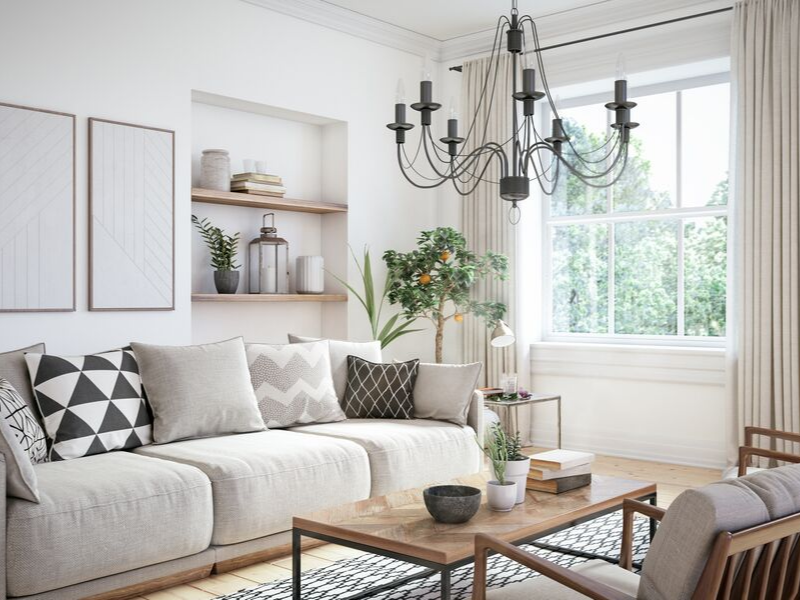

For more than 20 years, the benefits of staging a home have been well documented. Numerous studies show that staging helps sell a home faster and for a higher price. According to the National Association of REALTORS®, 88 percent of home buyers start their search online, forming impressions within three seconds of viewing a listing. When a home is well staged, it photographs well and makes the kind of the first impression that encourages buyers to take the next step.
Studies also indicate that buyers decide if they’re interested within the first 30 seconds of entering a home. Not only does home staging help to remove potential red flags that can turn buyers off, but it also helps them begin to imagine living there. Homes that are professionally staged look more “move-in ready” and that makes them far more appealing to potential buyers.
According to the Village Voice, staged homes sell in one-third less time than non-staged homes. Staged homes can also command higher prices than non-staged homes. Data compiled by the U.S. Department of Housing and Urban Development indicate that staged homes sell for approximately 17 percent more than non-staged homes.
A measurable difference in time and money
In a study conducted by the Real Estate Staging Association in 2007, a group of vacant homes that had remained unsold for an average of 131 days were taken off the market, staged, and relisted. The newly staged properties sold, on average, in just 42 days, – which is approximately 68 percent less time on the market.
The study was repeated in 2011, in a more challenging market, and the numbers were even more dramatic. Vacant homes that were previously on the market for an average of 156 days as unstaged properties, when listed again as staged properties, sold after an average of 42 days—an average of 73 percent less time on the market.
Small investments, big potential returns
Staging is a powerful advantage when selling your home, but that’s not the only reason to do it. Staging uncovers problems that need to be addressed, repairs that need to be made, and upgrades that should be undertaken. For a relatively small investment of time and money, you can reap big returns. Staged properties are more inviting, and that inspires the kind of peace-of-mind that gets buyers to sign on the dotted line. In the age of social media, a well-staged home is a home that stands out, gets shared, and sticks in people’s minds.
What’s more, the investment in staging can bring a higher price. According to the National Association of REALTORS, the average staging investment is between one percent and three percent of the home’s asking price, and typically generates a return of eight to ten percent.
In short, less time on the market and higher selling prices make the small cost of staging your home a wise investment.
Interested in learning more? Contact me for information about the value of staging and referrals for professional home stagers.
The Risks and Rewards of Purchasing a Bank-Owned Home


The process of purchasing a home directly from a lender can be long and arduous, but could very well be worth it in the end. If you have your sights on a particular home or are looking to find a deal on your first, working directly with the lender may be your only option.
Purchasing a bank-owned home is not for the faint of heart, here are some tips for negotiating the REO process:
1. Be prepared: The condition of bank-owned properties are often poor and hard to show. Past owners may have departed on bad terms, leaving the home in poor condition with foul smells, missing appliances, wires are taken from breakers, gas fireplaces gone, even bathrooms without toilets and sinks.
2. Understand the costs: Maintenance or repairs may be necessary since these homes have been vacant for an unknown period of time–sometimes months or years. Keep in mind, when they were occupied the owners could have been under financial hardship, preventing them from doing regular seasonal care or repairs when needed. Remember as well that the bank is trying to sell the house immediately, so you will receive a financial break in the price rather than a willingness to negotiate on the maintenance and repair issues.
3. Accept the unknown: In traditional real estate transactions, homeowners fill out Form 17 regarding important information about the history of the house. A bank-owned home is either exempt or marked with “I don’t know” throughout the document. Not having the accuracy of this 5-page disclosure form could leave you with a lot of unanswered questions on the history of the home.
4. Know what is non-negotiable: The pricing on the house may not get much lower. Some of these properties can be “a dream come true” if you get them at an amazing price, or they could be your worst nightmare. Do your due diligence researching any property, and conduct all necessary inspections to safeguard yourself. Some major repairs may be negotiable, but will likely not reduce the home price.
5. Make a clean offer: The higher the price you can offer, the better. Include your earnest money, keep contingencies to a minimum, and suggest a reasonable closing date. The simpler your offer is, the higher chance you have of the bank accepting your offer or countering in a reasonable time period.
6. Be patient: Consult with a professional who handles bank owned home purchases to help you negotiate the pathway to homeownership. The process of purchasing a bank-owned, foreclosed or short-sale home is typically longer than a typical real estate sale.
Improve Your Curb Appeal with These Affordable Tips
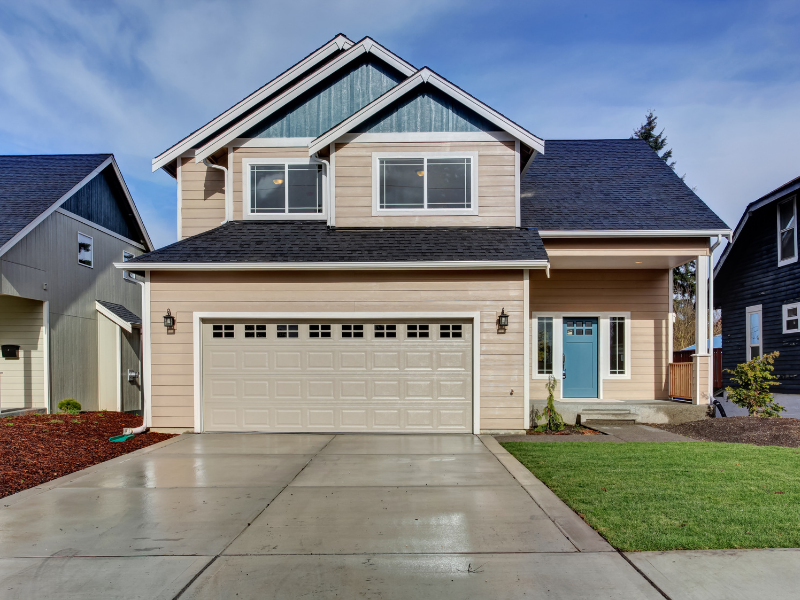

You’ll never have a second chance at a first impression, so let’s make it count! When it comes to upping your home’s curb appeal, there are plenty of small changes you can make that have a big impact. And best of all, you don’t need to call in the pros or spend a fortune to get beautiful results. Below are some helpful and affordable tips.
A Well-Maintained Yard

Mowing: The first step to a well-manicured lawn is to mow it regularly. The experts recommending mowing high because mowing it too short can damage the grass and allow weeds to set root.
Weeds: To prevent weeds like crabgrass use a pre-emergent herbicide in early spring. These herbicides manage the weeds by stopping the seeds from sprouting in your lawn. Broadleaf weeds like dandelions can be stopped by applying granular weed control products.
Feeding: Lawns consume mostly nitrogen, so look for mixes of fast and slow release fertilizers; they will feed your lawn over time while keeping it lush and green.
Watering: Nighttime watering can result in long spans of moisture on the blades, potentially exposing your grass to disease. Consider watering your lawn in the morning – the sun helps dry out the blades throughout the day.
Flowers: You can quickly and affordably dress up your yard with colorful pre-made flower pots and containers. When placing your flower pots and containers remember that asymmetrical arrangements and staggering plants will provided the liveliest setting.
Dress up the Front Door and Porch

Paint: A fresh coat of paint in a pop color can give your home a well-deserved facelift. Get some color inspiration from House Beautiful.
Replace Old Hardware: Clean off any dirty spots around the door knob, and use a metal polish on the fixtures. Change out house numbers for an updated feel, put up a wall-mounted mailbox, or add an overhead light fixture. Keep in mind that well thought through elements, instead of mix-and-match pieces, will add the most curb appeal.
Create Perfect Symmetry: Symmetry is one of the simplest design techniques to master and is the most pleasing to the eye. Maintain symmetry by flanking your front door with two sidelights (just make sure that your hardware matches); find two urn planters or a unique visual detail to put on either side of your door.
Five Things to Consider When Downsizing


Downsizing is on the minds of many homeowners today. Some are ready to retire, others want to live more simply, and many want to save money and say goodbye to home maintenance.
If you can relate to any of those sentiments, ask yourself these five questions:
Have you done the math?
The financial savings that can be generated by downsizing can be significant – especially as they add up over time. When doing the math, make sure the move will save money, rather than spend unnecessarily.
Have you researched elder-care options?
Many homeowners hold on to their current home longer than they should because their parents / parents-in-law may need to come live with them in the future. While a noble gesture, there are many excellent elder care living options available today. Often, all it takes is a tour of those facilities to realize that your loved one may actually be happier, and far better served, in a place devoted to their care and happiness.
Have you considered off-site storage?
You don’t need to immediately discard a big chunk of your belongings in order to downsize. In fact, trying to do so in one fell swoop only creates needless stress. Most people find it works much better to move some of their belongings into off-site storage for six months. During that time, you can gradually incorporate some of those items into your new living arrangement, and slowly figure out what to do with the others.
How do you feel about sharing costs and decision-making?
Townhomes and condominiums are popular downsizing options. But both require that you share the decision-making and expenses associated with any maintenance and improvement projects with your neighbors and potentially an HOA. If you’re a people-person and agree that two heads are better than one, and you like the idea of sharing the cost/responsibility for expensive repairs, you’ll enjoy condo living. If not, this may not be the best option for you.
Have you consulted with a real estate agent?
Many homeowners don’t think to consult with a real estate agent until they’ve made the decision to downsize. This leads to guesstimating about some of the most important factors. The truth is, your real estate agent is someone you want to talk with very early in the decision-making process.
Blinds or Curtains? Or Both? Top Things to Consider When Choosing Your Window Style
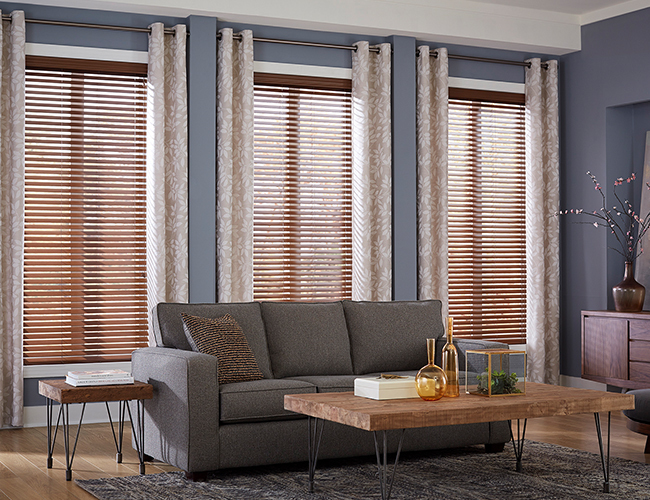

Some rooms just need blinds, other rooms just need curtains, and then some rooms look best with both. But how do you decide which rooms need what? There are a number of factors to consider when you’re picking window treatments for rooms in your house, from price to insulation to style to orientation within the room.
Price
Adding a combination of blinds and curtains on your windows may seem like the best idea for almost any room in your home. But that can get pricey. Basically, you’re doubling up the cost of the treatments for each window. So when you’re deciding on a budget for your treatments, be methodical. Guest bedrooms, laundry rooms, bathrooms, or any uncommon, informal areas in your home are good candidates for either blinds or curtains, not both—you likely don’t spend much time in these spaces, they don’t need to be the most styled part of your home and/or they don’t require a high level of privacy. Save the money on these areas and choose a treatment that gets the job done. On the other hand, living areas, formal dining rooms, and master bedrooms are places where a combination of both can add ultimate style, privacy, and temperature comfort, and it could be worth the money to invest in these high-impact areas.
Insulation
Sunlight can be a blessing and a curse for your home. It can fill living areas with wonderful natural light. It can liven up dining areas or kitchens. But, harsh sunlight can also heat up a room late in the afternoon, it can fade furniture, or it can wake you up too early on the weekends. When it comes to blocking out the sun, faux wood blinds and heavier curtains should be considered. Wood blinds or faux wood blinds block out a great deal of sun, but not all of it. If you want complete darkness to grab a few more winks on weekends, add some curtains over the binds to double up the sun defense. Consider the positioning of the windows throughout the house and protect the windows and rooms that bear the brunt of the sun, while making it easy for natural light to shine through when you want it.
When it comes to curtains and shades, there are a number of sun-blocking options. Cellular shades filter out the sunlight while still letting enough natural light into the room. Roman shades, sheer shades, and curtain fabrics all have different thicknesses, which block out different levels of UV rays and sunlight. If your living room faces west, you will certainly want some thicker shades to block out that evening sunshine and keep the temperature in the room manageable.
Style
Just about any style under the sun is available when it comes to choosing window treatments. Gone are the days when curtains were the only way to add style, warmth, and luxury to a room. Many options in shades and blinds can achieve the same effect.
Whichever you choose, you want the window treatments to accent the furniture in your room, not vice versa. For example, if your furniture is heavily patterned, choosing solid colors for blinds and curtains is the way to go. If your furniture is solid, light patterns and designs could accentuate certain colors or themes in the room. Keep theme and tone in mind: You wouldn’t choose earthy bamboo shades for a room with a sleek, industrial vibe, or beachy plantation shutters for a room with a modern artsy feel.
Choosing the proper window treatments for each room in your home comes down to a handful of factors. Don’t break the bank or overspend where you don’t need it, make sure you know where the sun is most intrusive in what rooms, and go with a style that fits the vibe of your home. Blinds and curtains can complete the look of a room, and make it feel like home.
Find a New Home in Four Steps


Whether you’re a first-time homebuyer or a current owner looking for a bigger home, the ideas below will help you better navigate that all-important first step: Finding a property that you like (and can afford).
The search for a new home always starts out with a lot of excitement. But if you haven’t prepared, frustration can soon set in, especially in a competitive real estate market. The biggest mistake is jumping into a search unfocused, just hoping to “see what’s available.” Instead, we recommend you first take some time to work through the four steps below.
Step 1: Talk to your agent
Even if you’re just thinking about buying or selling a house, start by consulting your real estate agent. An agent can give you an up-to-the-minute summary of the current real estate market, as well as mortgage industry trends. They can also put you in touch with all the best resources and educate you about next steps, plus much more.
Step 2: Decide how much home you can afford
It may sound like a drag to start your home search with a boring financial review, but when all is said and done, you’ll be glad you did. With so few homes on the market now in many areas, and so many people competing to buy what is available, it’s far more efficient to focus your search on only the properties you can afford. A meeting or two with a reputable mortgage agent should tell you everything you need to know.
Step 3: Envision your future
Typically, it takes at least five years for a home purchase to start paying off financially, which means, the better your new home suits you, the longer you’ll most likely remain living there.
Will you be having children in the next five or six years? Where do you see your career heading? Are you interested in working from home, or making extra money by renting a portion of your home to others? Do you anticipate a relative coming to live with you? Share this information with your real estate agent, who can then help you evaluate school districts, work commutes, rental opportunities, and more as you search for homes together.
Step 4: Document your ideal home
When it comes to this step, be realistic. It’s easy to get carried away dreaming about all the home features you want. Try listing everything on a piece of paper, then choose the five “must-haves,” and the five “really-wants.”
For more tips, as well as advice geared specifically to your situation, contact me anytime!
